はじめに:冷凍システムにおいて蒸発器が重要な理由
あらゆる冷凍システムにおいて、, 蒸発器 は、実際の冷却プロセスを担う構成要素です。コンプレッサーが冷媒を循環させ、コンデンサーが周囲の環境へ熱を放出する一方で、エバポレーターは、冷却対象となる空間、製品、空気、あるいはプロセス流体から熱を吸収するという極めて重要な役割を果たします。.
冷凍機器メーカー、システム設計者、および産業用購入者にとって、適切な蒸発器を選定することは、単に適切な寸法のコイルを選ぶだけの問題ではありません。蒸発器の性能は、以下の項目に直接影響を及ぼします:
- 冷却能力
- エネルギー消費量
- 温度安定性
- 製品の保存状態
- コンプレッサーの運転条件
- システム全体の信頼性
適切に設計された冷凍用蒸発器は、安定した蒸発温度、適切な過熱度の制御、および十分な気流または液流を維持しながら、冷媒が効率的に熱を吸収できるようにします。.
しかし、蒸発器を誤って選定すると、以下のような一般的な運用上の問題が生じる可能性があります:
- 冷却能力が不十分
- コンプレッサーの稼働時間が長すぎる
- 霜の堆積
- 温度ムラが大きい
- 高いエネルギー消費量
- 機器の耐用年数の短縮
工学的な観点から見ると、蒸発器は独立した熱交換器ではありません。これは、冷凍サイクル全体を構成する一部であり、コンプレッサー、凝縮器、膨張装置、冷媒の種類、および運転条件と適切に組み合わせる必要があります。.
このガイドでは、冷凍システムにおける蒸発器の役割、その動作の段階的な仕組み、蒸発器内部での冷媒の動き、主要な性能要因、および商業用・産業用冷凍用途に適した蒸発器の選定方法について解説します。.

冷凍システムにおける蒸発器の役割とは何ですか?
蒸発器の主な機能とは何ですか?
冷凍システムにおける蒸発器の主な機能は、次のとおりです。
熱交換器内で低圧の冷媒を蒸発させることにより、冷凍室または冷却媒体から熱を吸収する。.
運転中、蒸発器には膨張装置から低圧の冷媒が供給されます。冷媒の圧力が低下しているため、その飽和温度は周囲の環境温度よりも低くなります。.
熱は、温度の高い場所から温度の低い冷媒へと自然に流れ込みます。.
例えば:
| 用途 | 周囲温度 | 代表的な蒸発温度 |
|---|---|---|
| 冷蔵室 | +5°C ~ +10°C | -5°C~0°C |
| 冷凍保管 | -18°C ~ -25°C | -30°C ~ -35°C |
| 食品加工 | +2°C ~ +8°C | -5°C~0°C |
| 工業プロセスの冷却 | プロセスによって異なります | カスタマイズ済み |
蒸発器はこの熱エネルギーを吸収し、それを潜熱として利用して、冷媒を液気混合物から蒸気へと変化させます。.
この相変化プロセスにより、冷凍システムは大量の熱を効率的に除去することができる。.
冷凍サイクルにおいて、蒸発器はどのような役割を果たすのでしょうか?
蒸発器は、冷凍サイクルにおける最後の吸熱部品である。.
基本的な蒸気圧縮冷凍サイクルは、以下の4つの主要な構成要素から成っています:
- コンプレッサー
- 凝縮器
- 拡張装置
- 蒸発器
一連のプロセスは以下の通りです:
圧縮機 → 凝縮器 → 膨張装置 → 蒸発器 → 圧縮機
蒸発器は、蒸気圧縮式冷凍システムの4つの主要構成要素のうちの1つです。蒸発器がコンプレッサー、凝縮器、膨張装置とどのように連携しているかを理解するには、当社のガイド「[冷凍サイクルの仕組み].
蒸発器は第4段階の役割を果たします:
膨張弁の出口:
- 低圧冷媒
- 低温
- 液気混合物
↓
蒸発器内部:
- 冷却された環境から熱を吸収する
- 冷媒が沸騰する
- 液体状の冷媒は気体へと変化する
↓
蒸発器の出口:
- 低圧蒸気
- わずかに過熱された冷媒
↓
コンプレッサーの吸込口:
- 圧縮用の蒸気戻り
蒸発器がなければ、冷凍システムは冷却対象の空間から熱を取り除くことができません。.
蒸発器で熱を吸収した後、冷媒はシステムの残りの部分を循環します。凝縮器は、これと対をなす放熱プロセスを行います。これについては、[冷凍システムにおいて、凝縮器がどのように熱を放出するか].
蒸発器は熱を放出するのか、それとも吸収するのか?
熱を放出する凝縮器とは異なり、蒸発器は熱を吸収します。.
これが、2つの主要な冷凍用熱交換器の根本的な違いです。.
| コンポーネント | 主な機能 | 熱伝達の向き | 冷媒の交換 |
|---|---|---|---|
| 凝縮器 | 熱を遮断する | 冷媒 → 環境 | 蒸気 → 液体 |
| 蒸発器 | 熱を吸収する | 冷却空間 → 冷媒 | 液体/蒸気 → 蒸気 |
蒸発器は冷気を生み出すわけではありません。.
その代わりに、対象部位から熱を取り除きます。.
多くの購入者は当初、冷凍機器が「冷たい空気を生み出す」ものだと考えがちですが、この区別は重要です。工学的な観点から見ると、冷凍とは実際には制御された熱伝達プロセスなのです。.
蒸発器は、冷却対象となる製品、空気、または液体から熱エネルギーを取り除き、そのエネルギーを冷媒に移します。.
蒸発器は冷却対象から熱を吸収し、一方、凝縮器は周囲に熱を放出します。それぞれの役割や動作原理についてより詳しく比較したい場合は、当社のガイド「[[凝縮器と蒸発器の違い].
蒸発器は、システム全体の性能にとってなぜ重要なのでしょうか?
蒸発器は、冷凍システムの効率、能力、および信頼性に直接的な影響を及ぼします。.
1. 実際の冷却能力を算出する
冷凍システムの冷却能力は、蒸発器がどれほど効率的に熱を伝達できるかに大きく左右される。.
熱伝達の基本的な関係式は次のとおりです:\[ Q = U \times A \times \Delta T \]
場所:
- Q = 熱伝達能力(W)
- U = 全体熱伝達係数
- A = 熱伝達表面積(m²)
- ΔT = 冷却媒体と冷媒の温度差
一般的に、熱交換面積が大きいほど冷却能力は高くなりますが、表面積が大きすぎると、コスト、サイズ、および冷媒充填量が増加する可能性があります。.
したがって、蒸発器の設計においては、以下の要素のバランスをとることが必要となる:
- コイルのサイズ
- フィン間隔
- 冷媒の分配
- 気流
- 圧力損失
2. 冷却温度を安定に保つ
次のような用途では:
- 食品の保存
- 医薬品用冷凍・冷蔵設備
- 飲料の冷却
- 工業処理
温度安定性は極めて重要です。.
適切に選定された蒸発器は、以下の維持に役立ちます:
- 均一な気温
- 安定した製品温度
- 温度変動の低減
例えば:
空気の流れの分布が不十分な冷凍倉庫用蒸発器では、次のような問題が生じる可能性があります:
- 温暖地帯
- 不均一な凍結
- 製品の品質に関する問題
3. コンプレッサーの効率に影響を与える
蒸発器は低圧側に設置されていますが、その性能はコンプレッサーの動作に直接影響を及ぼします。.
蒸発器の設計が不適切だと、次のような問題が生じる可能性があります:
- 冷媒の蒸発効率が低い
- 過度の過熱
- 冷媒の戻り量の減少
- 冷却能力の低下
そのため、必要な温度に達するまで、コンプレッサーをより長く稼働させる必要があります。.
これにより、以下が増加します:
- 電力消費量
- 運営コスト
- 機械的摩耗
4. 冷凍システムの信頼性に影響を与える
適切に設計された蒸発器は、コンプレッサーに流入する冷媒の状態を適正に保つのに役立ちます。.
重要なパラメータには、以下のものがあります:
過熱
過熱により、液体の冷媒がコンプレッサーに戻らないようにします。.
過度の過熱:
- 冷却能力が低下する
- コンプレッサーの吐出温度を上昇させる
過熱不足:
- 液体冷媒がコンプレッサーに流入するリスク
- コンプレッサーの故障の可能性がある
したがって、蒸発器の設計と冷媒制御は連携して機能しなければならない。.
冷凍用蒸発器はどのように機能するのでしょうか?
冷凍用蒸発器の動作原理は、冷媒の蒸発に伴う熱吸収に基づいています。.
このプロセスは、いくつかの段階を経て行われます。.

ステップ1 — 低圧の冷媒が蒸発器に入る
膨張弁を通過した後、冷媒は低圧・低温の混合物として蒸発器に入ります。.
典型的な状態:
| パラメータ | 状態 |
|---|---|
| 圧力 | 低側圧 |
| 温度 | 冷却された空間の温度より低い |
| 冷媒の状態 | 液体と蒸気の混合物 |
この膨張装置は、冷媒の圧力を下げる役割を果たします。.
熱力学の原理によれば:
圧力が低いほど → 飽和温度が低い
これにより、冷媒は周囲の環境から熱を吸収することができます。.
ステップ 2 — 冷却された媒体から冷媒への熱伝達
熱は、温度の高い媒質から温度の低い冷媒へと移動する。.
用途に応じて、熱源としては以下のものが考えられます:
- 冷蔵室内の空気
- 食品
- 水
- グリコール溶液
- 工業用プロセス流体
空冷式蒸発器
空冷式蒸発器では:
- ファンがコイルに風を送り込む
- 空気はフィンやチューブを通じて熱を伝達する
- 冷媒はこのエネルギーを吸収する
主な用途:
- 冷蔵室
- 冷凍庫
- ショーケース用冷蔵設備
- HVACシステム
水冷式または液冷式の用途
水冷の場合:
- 熱交換器には水またはグリコールが流れます
- 冷媒は液体から熱を吸収する
主な用途は以下の通りです:
- 産業用チラー
- プロセス冷却
- 飲料の製造
ステップ3 — 冷媒が沸騰し、潜熱を吸収する
蒸発器内部において、最も重要な熱伝達過程は 冷媒の蒸発.
蒸発器に入る冷媒は、通常、低圧の液気混合物です。冷却対象の空間から冷媒へ熱が伝達されるにつれて、液体部分は徐々に気体へと変化していきます。.
この相変化プロセスは、冷媒が温度を著しく上昇させることなく大量のエネルギーを吸収するため、非常に高効率である。.
この吸収されたエネルギーは、気化潜熱と呼ばれます。.
例えば:
| 冷媒の状態 | 熱伝達プロセス |
|---|---|
| 蒸発器に流入する液体冷媒 | 顕熱を吸収する |
| 飽和液蒸気混合物 | 沸騰時に潜熱を吸収する |
| 飽和水蒸気 | 蒸発が完了する |
| 過熱蒸気 | 追加の顕熱を受け取る |
通常運転時:
冷蔵スペースからの熱 → 蒸発器コイル → 冷媒 → コンプレッサー
蒸発器コイル自体は冷却作用を生み出すわけではありません。これは、冷媒が熱エネルギーを吸収できる熱交換面を提供するものです。.
蒸発器内部で冷媒が沸騰する際、どのような現象が起こるのでしょうか?
冷媒が低圧下で沸点に達すると、相変化が始まります。.
このプロセスは次のように簡略化できます:

大気圧下での水の沸騰とは異なり、冷媒の圧力が制御されているため、冷凍における蒸発ははるかに低い温度で起こります。.
例えば:
| 用途 | おおよその蒸発温度 |
|---|---|
| エアコン | +2°C ~ +10°C |
| 中温冷凍 | -5°C~0°C |
| 冷凍食品の保存 | -30°C ~ -20°C |
| 産業用低温システム | -30°C未満 |
適切な蒸発温度は、以下の要因によって決まります:
- 必要な冷却温度
- 冷媒の選定
- コンプレッサーの動作範囲
- 熱交換器の設計
ステップ4 — 冷媒蒸気が蒸発器から流出する
十分な熱を吸収した後、冷媒は蒸気となって蒸発器から排出される。.
出力条件は通常、以下の通りです:
- 低圧蒸気
- わずかに過熱された
- コンプレッサーに戻る準備はできましたか
過熱を維持する理由は、コンプレッサーを保護するためです。.
適切に設計された蒸発器には、以下の利点があります:
- 出口までの完全蒸発
- 安定した冷媒の流れ
- 制御された過熱度
- コンプレッサーに液体冷媒が入らない
コンプレッサーに戻ってくる液体冷媒は、次のように呼ばれます。 液体の逆流。これにより、以下の症状を引き起こす可能性があります:
- コンプレッサーの潤滑に関する問題
- 機械的損傷
- 耐用年数の短縮
したがって、蒸発器の設計はコンプレッサーの信頼性と密接に関連している。.
蒸発器内部の冷媒には何が起こるのでしょうか?
適切な蒸発器コイルを選定するには、蒸発器内部における冷媒の挙動を理解することが不可欠です。.
冷媒はいくつかの段階を経ます:
| 場所 | 冷媒の状態 | 主なプロセス |
|---|---|---|
| 蒸発器の入口 | 低圧の液気混合物 | 冷媒が熱を受け取る |
| 中間蒸発器セクション | 二相混合物 | 液体は沸騰して蒸気になる |
| 蒸発器の出口 | 低圧蒸気 | 過熱が生じる |
冷媒は蒸発器に入る際、どのような状態になっていますか?
冷媒が蒸発器に入ると、通常は次のようになります:
低圧・低温の液気混合物。.
この現象は、膨張弁の後に発生します。.
この膨張装置は圧力を下げるが、熱を直接除去するわけではない。.
圧力が低下すると、冷媒の一部がフラッシュ蒸発して気体になります。.
したがって、蒸発器の入口には以下のものが含まれます:
- 液体冷媒
- 蒸気冷媒
- 低エンタルピーの冷媒混合物
混合物の正確な品質は、以下の要因によって決まります:
- 冷媒の種類
- 膨張装置の設計
- 動作条件
冷媒は蒸発器を出る際、どのような状態になっていますか?
蒸発器の出口において、冷媒は通常、以下の状態であるべきです:
低圧過熱蒸気。.
過熱の目的は、以下を確保することにあります:
- コンプレッサーに液体が流入しない
- コンプレッサーの安定した運転
- 信頼性の高い冷凍サイクル
一般的な蒸発器の過熱度はシステムの設計によって異なりますが、多くの冷凍システムでは、蒸発器出口で数度の過熱度を保って運転されています。.
必要な過熱度は、以下の要因によって決まります:
- 膨張弁の種類
- コンプレッサーの要件
- 冷媒の特性
- システム制御戦略
「蒸発」と「過熱」の違いは何ですか?
蒸発と過熱は、同じ蒸発器内で起こるものの、異なるプロセスである。.
蒸発
蒸発中:
- 冷媒は液体から気体へと変化する
- 飽和状態では、温度はほぼ一定に保たれる
- 大量の潜熱が吸収される
過熱
すべての液体冷媒が蒸発した後:
- 水蒸気の温度が飽和温度を上回る
- さらに顕熱が吸収される
比較:
| プロセス | 冷媒の状態変化 | 熱の種類 |
|---|---|---|
| 蒸発 | 液体 → 蒸気 | 潜熱 |
| 過熱 | 飽和蒸気 → 過熱蒸気 | 顕熱 |
適切に設計された蒸発器は、この2つのプロセスのバランスを保ちます。.
蒸発能力が低すぎる:
- 冷媒の蒸発が不完全
- 流動性リスク
過度の過熱:
- 熱伝達効率の低下
- 冷却能力の低下
蒸発器を通った後、冷媒はどこへ行くのでしょうか?
蒸発器を通過した後、冷媒はコンプレッサーに戻ります。.
この一連の流れは続く:

この連続的な循環により、冷凍システムは対象領域から繰り返し熱を取り除くことができます。.
蒸発器コイルとファンの役割とは?
実際の冷凍機器において、蒸発器は通常、単なるコイルだけではありません。.
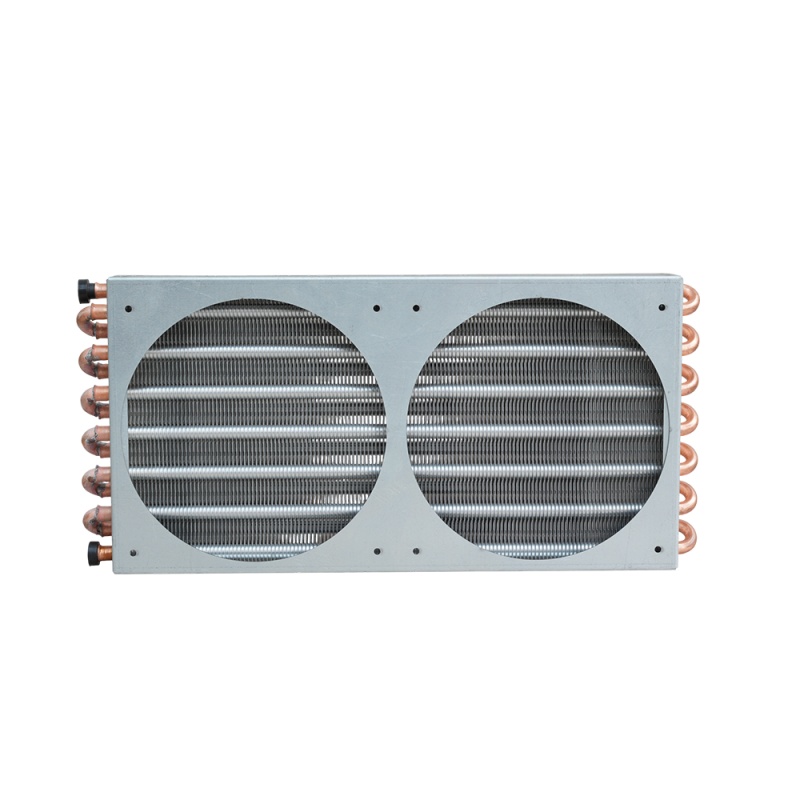
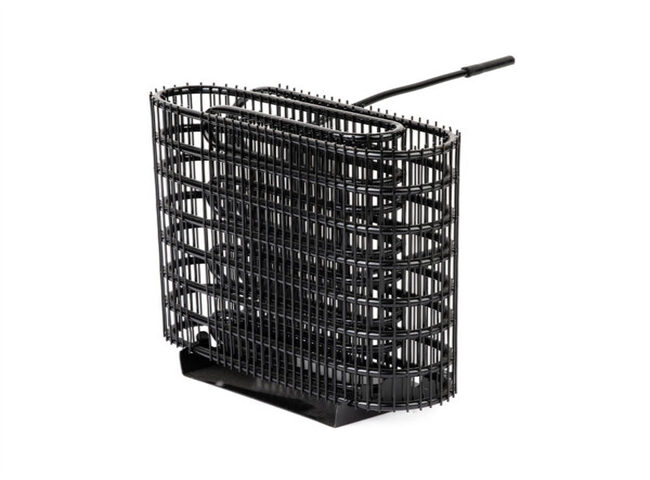
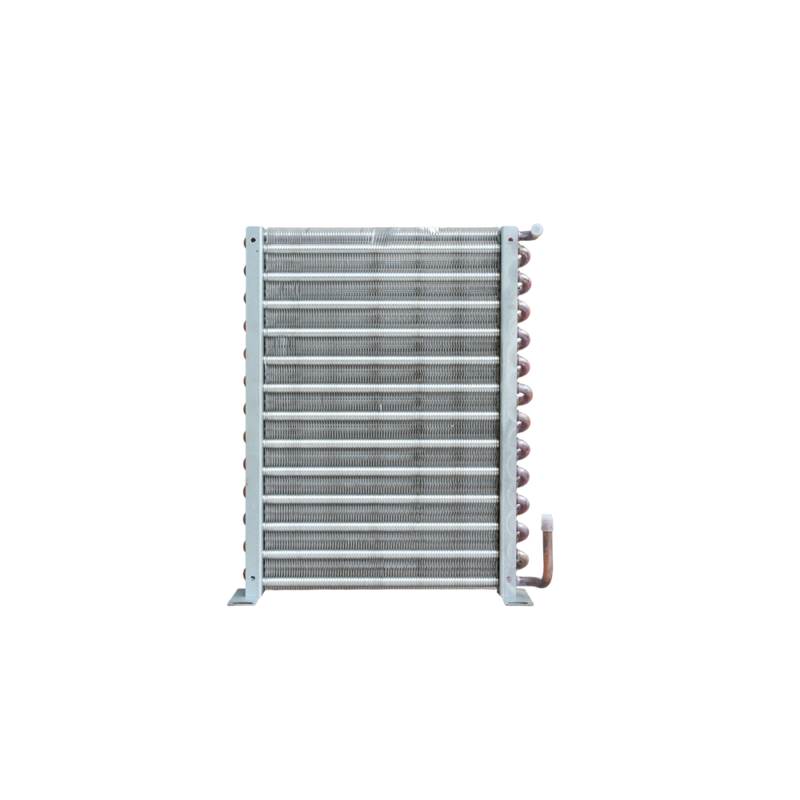
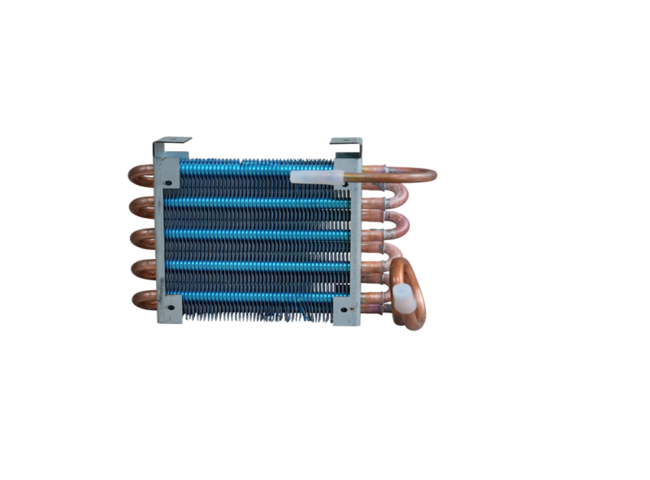
蒸発器アセンブリ一式には、以下のものが含まれる場合があります:
- 熱交換器コイル
- アルミニウム製フィン
- ファンモーター
- 受け皿
- 解凍システム
- フレーム構造
- 冷媒分配器
各構成要素は、熱伝達性能に影響を与えます。.
蒸発器コイルの役割とは?
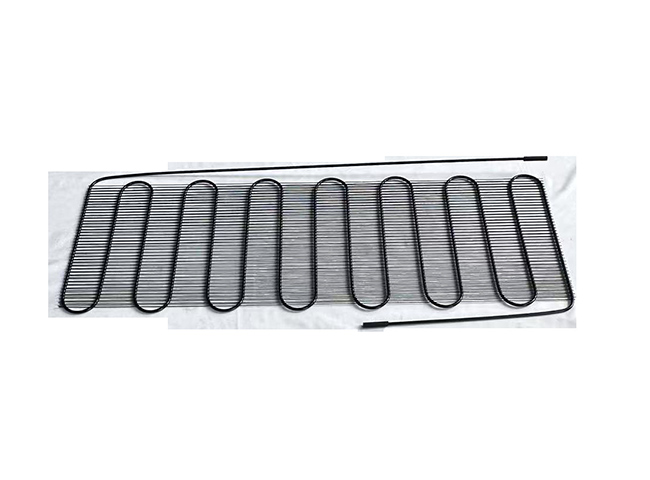
蒸発器コイルは、主要な熱交換部品です。.
その機能は次のとおりです:
冷却媒体と冷媒との間の熱交換に十分な表面積を確保するため。.
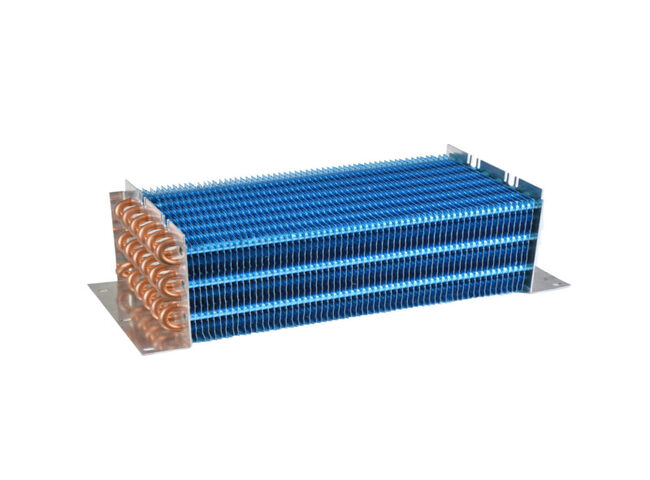
一般的な蒸発器コイルは、以下の構成要素から成っています:
- 銅管またはアルミニウム管
- アルミニウム製フィン
- 冷媒回路
- ヘッダー
- 接続配管
コイルの設計によって、以下の点が決まります:
- 熱伝達効率
- 冷媒の分配
- 圧力損失
- 霜の形成挙動
蒸発器コイルはどのように熱を伝達するのでしょうか?
熱伝達は、次の3つの段階を経て行われます:
ステップ1 — 空気または液体からコイル表面への熱伝達
例:
冷蔵室の空気が蒸発器のフィンに接触します。.
↓
熱は空気から金属製のフィンへと移ります。.
ステップ2 — 管壁を通じた熱伝達
熱は次の経路を通って伝わる:
- アルミニウム製フィン
- 銅・アルミニウム管の壁
↓
ステップ3 — 冷媒が熱を吸収する
チューブ内の冷媒はエネルギーを吸収して蒸発します。.
効率は以下の要因によって決まります:
- 熱伝導率
- フィンの設計
- チューブの配置
- 冷媒の流量分布
蒸発器ファンモーターの役割とは?
空冷式蒸発器において、ファンは極めて重要な役割を果たしています。.
蒸発器ファン:
- コイルに空気を送り込む
- 熱伝達を向上させる
- 冷気を均一に送り出します
- 必要な気流を維持します
十分な空気の流れがない場合:
- 熱伝達が低下する
- 蒸発温度が低下する
- 氷の形成が増加する
- 冷却能力が低下する
コイルとファンはどのように連携して機能するのでしょうか?
蒸発器コイルとファンは、一体型の熱交換システムとして機能します。.
パフォーマンスはマッチングに依存します:
- コイルの表面積
- ファンの風量
- 冷媒流量
冷凍システムにおいて、蒸発器はどこに設置されていますか?
蒸発器は常に 低圧側 冷凍システムの。.
熱を除去する必要がある場所に設置されます。.
冷蔵庫や冷凍庫の蒸発器はどこにあるのでしょうか?
家庭用冷蔵庫では:
蒸発器は通常、以下の場所に設置されています:
- 冷凍室の中
- 内部パネルの裏側
- 冷却室周辺
その目的は、以下のものから熱を吸収することです:
- 食品保管場所
- 冷凍室の空気
業務用および産業用冷凍設備において、蒸発器はどこにあるのか?
蒸発器の設置場所は、用途によって異なります。.
冷蔵倉庫
通常、以下のものがインストールされます:
- 冷蔵室の中
- 天井や壁の近くに設置する
機能:
- 循環空気の冷却
- 保管温度の維持
食品加工
可能な構成:
- 空冷式蒸発器
- 急速冷凍用蒸発器
- 液体冷却用蒸発器
産業用冷凍
主な用途:
- Ammonia refrigeration systems
- プロセス冷却
- Large cold storage facilities
Evaporator design may require:
- Higher corrosion resistance
- Special materials
- Custom airflow design
Why Does Evaporator Location Matter?
Evaporator placement affects:
- Air distribution
- Temperature uniformity
- Defrost performance
- Maintenance accessibility
Poor installation location can cause:
- Uneven cooling
- Increased frost
- Reduced efficiency
例えば:
A cold room evaporator installed too close to the door may experience:
- Frequent warm air infiltration
- Increased frost formation
- Higher operating cost
What Factors Affect Evaporator Performance and Cooling Efficiency?
Evaporator performance depends on several engineering factors.
Evaporating Temperature and Operating Conditions
The evaporation temperature determines:
- Refrigeration capacity
- Compressor efficiency
- System pressure ratio
Lower evaporating temperatures usually require more compressor energy.
例:
| 用途 | Evaporating Temperature Range |
|---|---|
| Comfort cooling | +2°C ~ +10°C |
| Chilled food storage | -5°C~0°C |
| 冷凍保管 | -35°C to -25°C |
Selecting the wrong evaporating condition can significantly reduce system efficiency.
Heat Transfer Area and Coil Design
The heat-transfer area determines how much heat the evaporator can absorb.
Important design parameters:
- Tube diameter
- Tube length
- フィン間隔
- Number of circuits
- Surface treatment
For low-temperature applications, wider fin spacing is often required because frost accumulation reduces airflow.
Airflow, Liquid Flow and Pressure Drop
Air-cooled evaporators require sufficient airflow.
Key factors:
- Fan capacity
- Air velocity
- Air distribution
Liquid evaporators require:
- Proper flow velocity
- Pressure drop control
- Pump selection
Refrigerant Distribution and Superheat Control
Poor refrigerant distribution can cause:
- Some coil areas dry
- Reduced heat transfer
- Uneven temperature
Proper design requires:
- Correct distributor selection
- Balanced circuits
- Superheat adjustment
Frost, Dirt and Surface Fouling
The evaporator surface must remain clean.
Common problems:
| Problem | Effect |
|---|---|
| Frost buildup | Blocks airflow |
| Dust accumulation | Reduces heat transfer |
| Oil contamination | Reduces efficiency |
| Corrosion | Causes leakage |
Regular maintenance is essential for stable performance.
What Are the Signs of Poor Evaporator Performance?
A refrigeration evaporator is a precision heat exchanger. When the evaporator cannot absorb heat efficiently, the entire refrigeration system performance will decline.
Common symptoms include:
- 冷却能力が不十分
- Long compressor running time
- Uneven temperature distribution
- Excessive frost formation
- 高いエネルギー消費量
- Compressor operating problems
For equipment manufacturers and refrigeration system integrators, identifying evaporator-related problems early can prevent unnecessary replacement costs and system downtime.
Insufficient Cooling Capacity
One of the most common signs of evaporator performance problems is that the refrigeration system cannot reach the required temperature.
Typical symptoms:
- Cold room temperature remains above the set point
- Freezer cannot achieve required freezing temperature
- Product cooling time becomes longer
- Compressor operates continuously
Possible causes include:
| Cause | Impact on Evaporator Performance |
|---|---|
| Undersized evaporator coil | Insufficient heat-transfer area |
| Poor refrigerant distribution | Uneven coil utilization |
| Low airflow | Reduced heat transfer |
| Frost blockage | Reduced air circulation |
| Incorrect evaporating temperature | Lower refrigeration capacity |
From an engineering perspective, an evaporator should be selected based on the actual cooling load, not simply physical dimensions.
A larger-looking coil does not always provide better performance if:
- Refrigerant flow is incorrect
- Circuit design is unsuitable
- Air distribution is poor
Uneven Temperature Distribution
A properly designed evaporator should provide relatively uniform cooling.
Poor evaporator performance may cause:
- Hot spots inside cold rooms
- Uneven product temperatures
- Different temperatures between shelves or storage areas
Common reasons include:
Improper airflow distribution
Air does not pass evenly through the coil.
Incorrect evaporator placement
The cold air pattern does not cover the entire cooling space.
Poor refrigerant distribution
Some coil circuits receive too much refrigerant while others receive too little.
For commercial refrigeration applications, airflow simulation and coil circuit optimization are often necessary to achieve uniform temperature control.
Frost or Ice Buildup on the Evaporator
Frost formation is normal in low-temperature refrigeration applications.
However, excessive frost indicates a potential problem.
A thick frost layer reduces:
- 熱伝達効率
- 気流
- Refrigeration capacity
The relationship is:
More frost → Higher thermal resistance → Lower cooling performance
Common causes:
| Cause | Explanation |
|---|---|
| High humidity air entering system | Moisture freezes on coil surface |
| Insufficient defrost | Ice accumulates over time |
| Low airflow | Coil surface temperature decreases |
| Incorrect evaporator selection | Fin spacing unsuitable for application |
| Door opening frequency | Increased moisture load |
Evaporator Fan Not Running
For air-cooled evaporators, fan operation is critical.
If the evaporator fan stops:
- Air circulation decreases
- Heat transfer drops significantly
- Refrigerant evaporation becomes unstable
Possible causes:
- Fan motor failure
- Electrical problems
- Ice blocking fan blades
- Control system failure
A fan failure does not necessarily mean the evaporator coil itself is defective.
The complete evaporator assembly should be inspected before replacement.
How to Evaluate an Evaporator Problem Before Replacement
Before replacing an evaporator, engineers normally check:
1. Refrigerant Conditions
確認:
- Suction pressure
- 過熱
- Refrigerant charge
- Expansion device operation
2. Airflow Conditions
Inspect:
- Fan operation
- Coil blockage
- Filter condition
- Air distribution
3. Coil Condition
Evaluate:
- Corrosion
- Leakage
- Fin damage
- Frost pattern
4. System Matching
確認:
- Compressor capacity
- Condenser capacity
- Expansion valve size
- Refrigerant compatibility
An evaporator failure is sometimes caused by incorrect system matching rather than the evaporator itself.
How to Choose the Right Evaporator for Your Refrigeration Application
Selecting a refrigeration evaporator requires engineering evaluation.
The correct evaporator should match:
- Cooling load
- 冷媒
- Temperature range
- Airflow requirements
- Installation conditions
- Maintenance requirements
Step 1 — Define the Cooling Load and Application
The first step is determining how much heat must be removed.
Cooling load depends on:
- Room size
- Product temperature
- Product quantity
- Heat infiltration
- Door opening frequency
- Lighting and equipment heat
- 周囲の環境条件
Basic refrigeration load:\[ Q = m \times C_p \times \Delta T \]
場所:
- Q = Cooling load
- m = Product mass
- Cp = Specific heat capacity
- ΔT = Temperature difference
For industrial applications, additional loads must be considered.
Step 2 — Match the Evaporator to Refrigerant and Operating Conditions
Different refrigerants have different:
- Pressure characteristics
- Heat-transfer performance
- Operating temperature ranges
Important selection parameters:
| パラメータ | Why It Matters |
|---|---|
| 冷媒の種類 | Determines pressure and compatibility |
| Evaporating temperature | Affects cooling capacity |
| Suction temperature | Influences compressor operation |
| Superheat requirement | Protects compressor |
A properly matched evaporator improves:
- System efficiency
- Reliability
- Operating stability
Step 3 — Select the Appropriate Evaporator Type
Different applications require different evaporator designs.
Air-Cooled Evaporator
Used for:
- 冷蔵室
- 冷凍庫
- ショーケース用冷蔵設備
Characteristics:
- Fan-assisted airflow
- Compact installation
- Easy maintenance
Plate Evaporator
Used for:
- Compact refrigeration equipment
- 食品加工
- Liquid cooling
Advantages:
- High heat-transfer efficiency
- Compact structure
Shell-and-Tube Evaporator
Used for:
- 産業用チラー
- Process cooling systems
Advantages:
- Suitable for large cooling capacities
- Good liquid-side heat transfer
Finned-Tube Evaporator
Common in:
- Commercial refrigeration
- HVACシステム
Advantages:
- Large heat-transfer area
- Good air-side performance
The right evaporator depends on the application, cooling load, operating conditions, heat-transfer requirements, and installation constraints. For a more detailed engineering discussion, see our guide to [refrigeration evaporator types, design, and sizing].
Step 4 — Evaluate Heat Transfer, Pressure Drop and Installation Constraints
A high-performance evaporator requires a balance between heat transfer and pressure loss.
Important engineering factors:
Heat Transfer Area
Larger area:
Advantages:
- Higher capacity
- Lower temperature difference requirement
Disadvantages:
- Larger size
- Higher cost
Pressure Drop
Excessive pressure drop causes:
- Lower evaporation pressure
- Reduced capacity
- Higher compressor workload
Installation Space
Consider:
- Available dimensions
- Airflow direction
- Maintenance access
- Piping arrangement
Step 5 — Consider Material and Corrosion Resistance
Material selection depends on operating environment.
Common materials:
| コンポーネント | Common Materials |
|---|---|
| Tubes | Copper, aluminum, stainless steel |
| Fins | Aluminum |
| Frame | Galvanized steel, stainless steel |
| ヘッダー | Copper, aluminum, steel |
For harsh environments:
- Seafood processing
- Chemical plants
- High humidity areas
Corrosion resistance becomes a key purchasing factor.
When Should You Request an Engineering Review?
An engineering review is recommended when:
- Replacing an existing evaporator
- Developing OEM equipment
- Designing custom refrigeration systems
- Changing refrigerants
- Operating under extreme temperatures
A professional manufacturer can evaluate:
- Heat-transfer requirements
- Coil design
- Refrigerant circuit
- Material selection
- Installation limitations
If your project requires a component matched to specific operating conditions, explore our [冷凍用蒸発器] products to review available configurations and application options.
What Information Is Needed to Specify or Request a Refrigeration Evaporator?
When requesting a quotation from an evaporator manufacturer, providing complete technical information improves accuracy.
Essential Technical Information for an Evaporator RFQ
1. Application Information
Provide:
- Application type
- Cooling purpose
- Installation environment
Examples:
- Cold storage
- 食品加工
- 飲料の冷却
- 工業プロセスの冷却
2. Cooling Requirements
Important parameters:
| Requirement | Example |
|---|---|
| 冷却能力 | kW |
| Room temperature | °C |
| Product temperature | °C |
| Operating time | hours/day |
3. Refrigeration System Parameters
Required information:
- 冷媒の種類
- Evaporating temperature
- Condensing temperature
- Compressor capacity
- Expansion device type
4. Physical Requirements
Provide:
- Available installation space
- Coil dimensions
- Pipe connection position
- Airflow direction
5. Environmental Conditions
Consider:
- Ambient temperature
- Humidity
- Corrosion risk
- Cleaning requirements
What If You Do Not Know All the Technical Parameters?
Many buyers do not have complete refrigeration design data.
This is common, especially for:
- Equipment distributors
- New project developers
- OEM customers
In this situation, provide available information:
- 用途
- Required temperature
- Existing equipment model
- 冷媒の種類
- Photos or drawings
- Dimensions
An experienced evaporator manufacturer can help determine suitable specifications.
Why Engineering Review Matters Before Finalizing an Evaporator
Choosing an evaporator only by:
- Size
- Price
- Appearance
can create long-term problems.
A professional selection process considers:
- Refrigeration capacity
- Heat-transfer performance
- Refrigerant compatibility
- 気流
- 圧力損失
- Maintenance requirements
The cheapest evaporator is not always the lowest-cost solution.
A properly designed evaporator can reduce:
- エネルギー消費量
- Maintenance frequency
- Equipment downtime
and improve:
- System reliability
- Product quality
- Operating efficiency
Frequently Asked Questions About Evaporator Function in a Refrigeration System
What Is the Main Function of an Evaporator in a Refrigeration System?
The main function of an evaporator is to absorb heat from the cooled space or process fluid by allowing low-pressure refrigerant to evaporate inside the heat exchanger.
冷凍用蒸発器はどのように機能するのでしょうか?
A refrigeration evaporator works by receiving low-pressure refrigerant from the expansion valve.
The refrigerant absorbs heat, evaporates from liquid to vapor, and returns to the compressor as low-pressure vapor.
Does an Evaporator Absorb or Reject Heat?
An evaporator absorbs heat.
The condenser rejects heat.
The evaporator removes thermal energy from the refrigerated space and transfers it into the refrigerant.
蒸発器内部の冷媒には何が起こるのでしょうか?
Inside the evaporator:
- Low-pressure refrigerant enters.
- Heat is absorbed from the surroundings.
- Refrigerant boils and evaporates.
- Vapor leaves toward the compressor.
冷媒は蒸発器を出る際、どのような状態になっていますか?
The refrigerant leaves the evaporator as low-pressure vapor, normally with controlled superheat.
What Is the Function of an Evaporator Coil and Fan Motor?
The evaporator coil provides a heat-transfer surface.
The fan moves air across the coil to improve heat exchange.
Together, they determine cooling performance.
What Factors Affect Evaporator Cooling Performance?
Major factors include:
- Heat-transfer area
- 冷媒の分配
- 気流
- Evaporating temperature
- 霜の堆積
- Material selection
- 圧力損失
How Do You Select the Right Refrigeration Evaporator?
The correct evaporator should be selected according to:
- 冷却能力
- 用途
- 冷媒
- Operating temperature
- Installation requirements
- Environmental conditions
Conclusion: The Evaporator Is Essential to Refrigeration System Performance
The evaporator is the component where refrigeration actually happens.
Its primary function is to absorb heat from the refrigerated space, product, or process fluid by evaporating low-pressure refrigerant.
A properly designed refrigeration evaporator ensures:
- Efficient heat absorption
- Stable cooling performance
- Lower energy consumption
- Reliable compressor operation
- Longer system lifespan
However, evaporator selection should never be based only on dimensions or price.
The correct solution requires matching:
- 冷却能力
- Refrigerant conditions
- Heat-transfer design
- Airflow requirements
- Installation environment
For refrigeration equipment manufacturers, distributors, and industrial buyers, working with an experienced evaporator supplier helps ensure the heat exchanger is correctly matched with the complete refrigeration system.
Need a Refrigeration Evaporator Matched to Your System?
Our engineering team can help evaluate your refrigeration evaporator requirements based on:
- Application type
- 冷却能力
- 冷媒
- Evaporating temperature
- Condensing temperature
- Installation dimensions
- Airflow requirements
- Material and corrosion requirements
Contact us for a customized refrigeration evaporator solution designed for your specific operating conditions.