Wire-on-Tube Condenser for Standalone Chest Freezer
Price
Quoted based on customer drawings
Brief Summary
High-efficiency wire-tube condenser with customizable design, suitable for residential and commercial refrigeration equipment.
Detailed Description
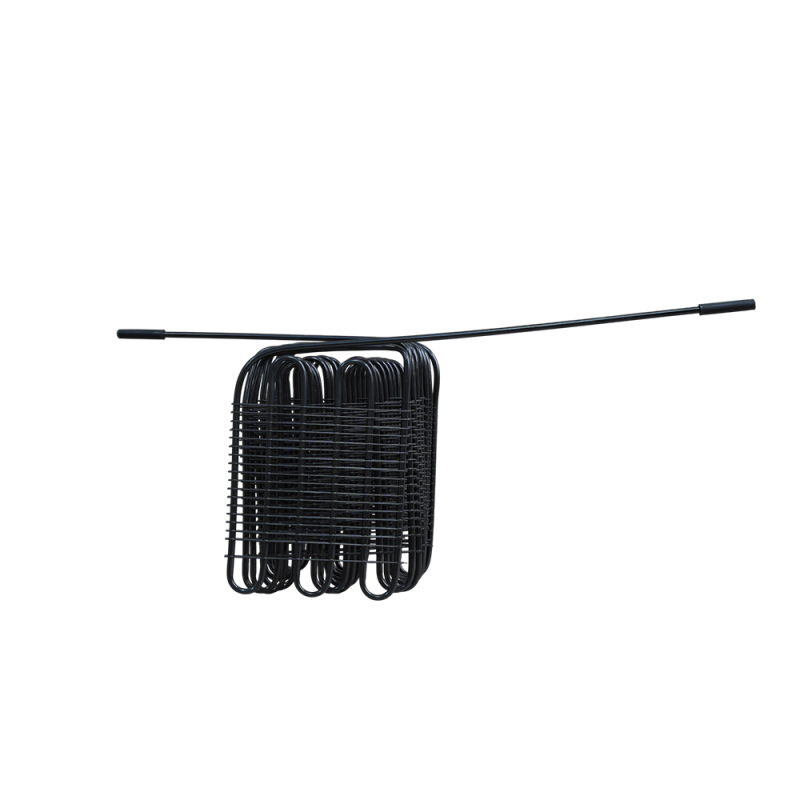
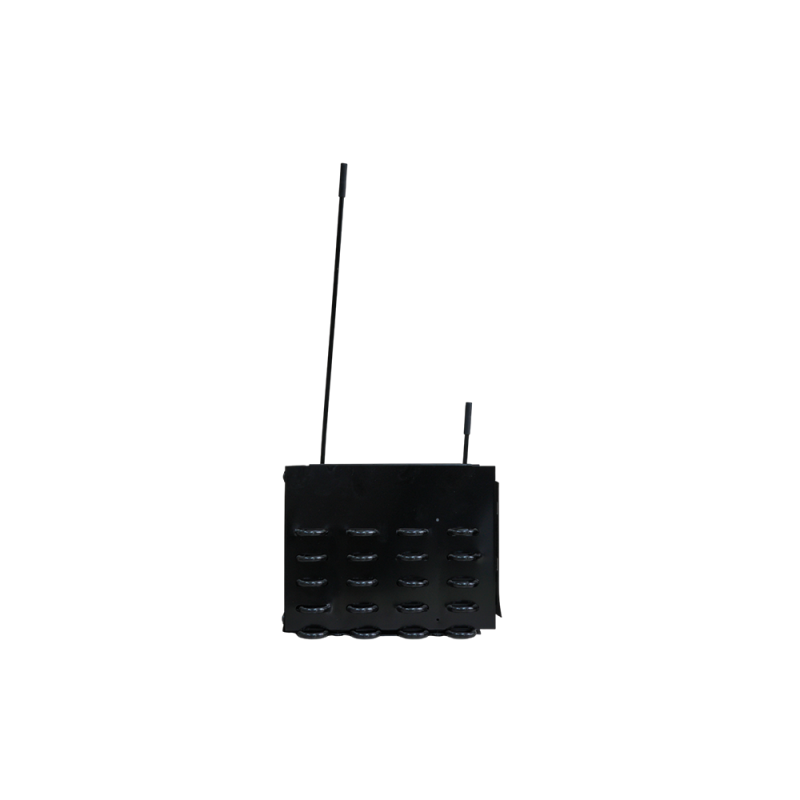
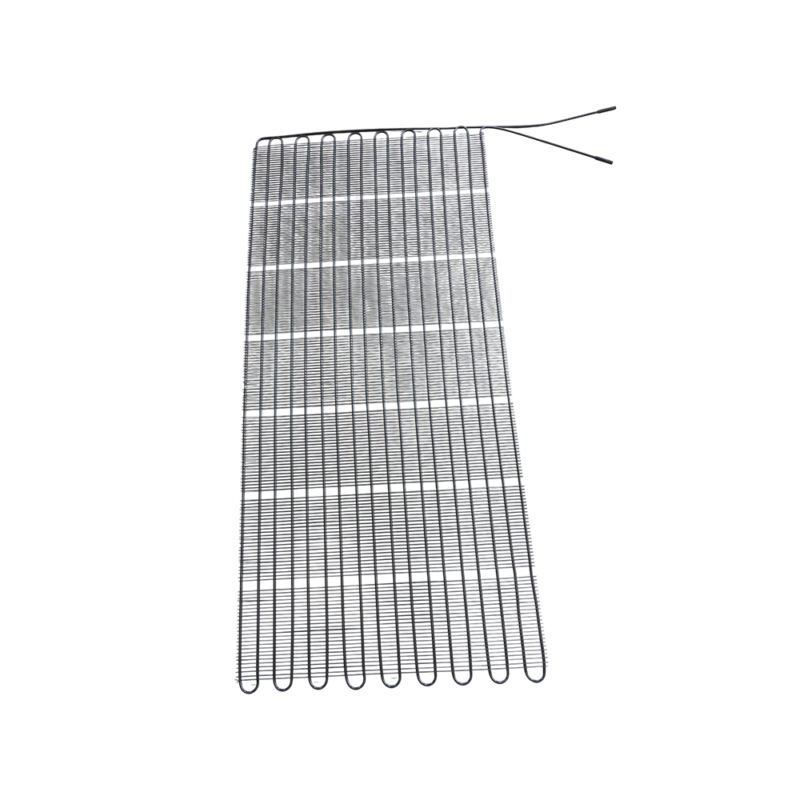
The product is formed by welding rolled Bundy tubes and low-carbon heat dissipation steel wire. Principle: High-temperature, high-pressure refrigerant flows within the pipes in the refrigeration system, and heat is conducted to the steel wire heat dissipation mesh, relying on natural convection/forced convection to complete heat dissipation and condensation. Pipe specifications are available in Φ4.76~Φ8mm rolled steel tubes, and heat dissipation wire diameters are 1.2~1.6mm. The entire unit uses an electrophoretic anti-corrosion coating, with a heat transfer coefficient 12%-18% higher than ordinary plate condensers. It can withstand refrigerant pressures up to 3.5MPa and is compatible with various refrigerants including R134a, R600a, R290, and R404a. Single-layer, multi-layer, and bent irregular structures can be customized according to customer drawings and samples.
Advantages/Selling Points:
1. Own factory; all materials are processed and produced in-house, resulting in competitive pricing.
2. All processes are controlled in-house, ensuring quality.
3. Supports custom sizes to fit equipment in confined spaces.
4. Electrophoretic coating for rust and salt spray resistance, extending service life.
Target Customers:
Refrigerator/freezer manufacturers, commercial freezer equipment manufacturers, refrigeration equipment modification plants, foreign trade refrigeration parts buyers, cold chain equipment repair and wholesalers, water dispenser and ice maker manufacturers.
Usage/Application Scenarios:
Household refrigerators, upright freezers, display freezers, kitchen commercial refrigerators, beverage refrigerators, small refrigeration units, vehicle-mounted refrigeration equipment; suitable for homes, convenience stores, restaurant kitchens, and supermarket cold chain scenarios.
Pain points addressed:
1. Traditional condensers have narrow gaps, easily clogging with oil fumes and dust, leading to rapid heat dissipation degradation.
2. Standardized condenser dimensions are fixed and cannot match non-standard equipment structures.
3. Ordinary non-corrosion-resistant condensers are prone to rust and leakage in humid environments.
4. Poor heat dissipation efficiency causes the compressor to operate under continuous high load, resulting in high power consumption.
Value to users:
1. Stable long-term operation of refrigeration equipment, reducing the frequency of after-sales maintenance;
2. Reduced overall energy consumption, lowering electricity costs for end users;
3. Customized solutions reduce limitations in overall machine structural design;
4. Longer service life enhances product reputation and helps buyers improve product competitiveness.
-800x800.png)